2026 Best Fur Bucket Hats for Wholesale Buyers?

Time:2026-11-05 Author:Aria
0%

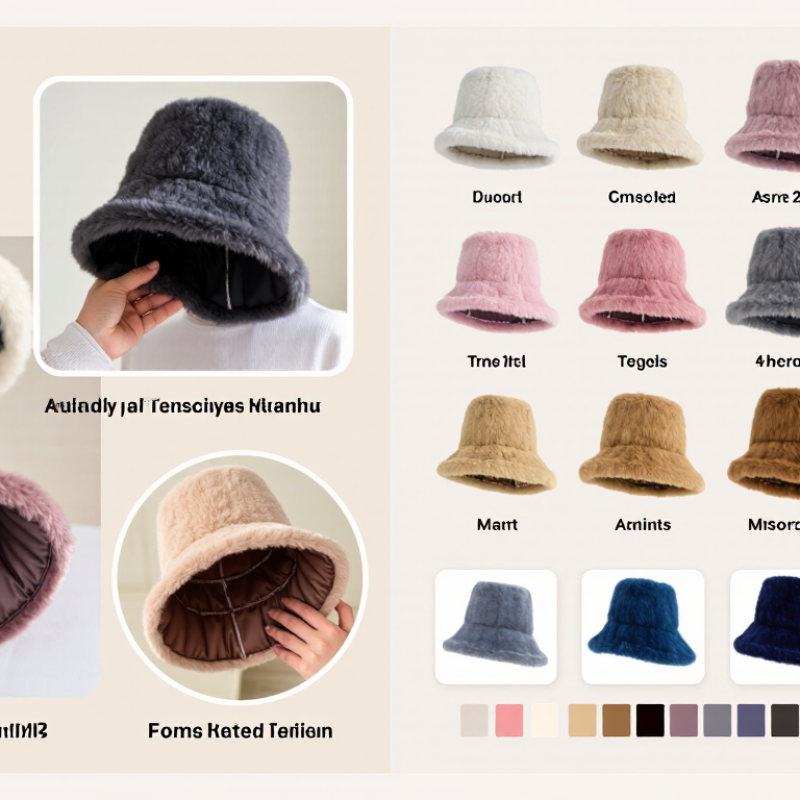
A Fur Bucket Hat can look simple on a product page, yet small details shape its comfort, appearance, and resale potential. For wholesale buyers planning 2026 collections, “best” depends on the customer, target price, and intended season. A soft, dense pile may photograph well, but buyers should also check how it feels after handling and whether the brim keeps its shape. Details matter here.

This guide introduces practical points to compare before placing a larger order: material and lining, stitching, size range, color consistency, customization options, minimum order quantities, and sample availability. Ask suppliers for clear specifications and recent product images, then compare samples under ordinary light. Samples tell more. Check seams, trim, and the inside finish, not just the front view. A polished sample is useful, but it cannot guarantee every unit will match; that gap deserves attention.

Wholesale decisions also involve timing and communication. Confirm production estimates, packaging details, and how the supplier handles quality concerns before agreeing to an order. Keep written records of approved colors and measurements. A low unit price can be tempting, but freight, defects, and slow restocking may change the real cost. There is no universal winner. The right choice is the hat that fits your market and your quality standards, supported by details you can verify—not claims alone.
2026 Best Fur Bucket Hats for Wholesale Buyers?

What Defines a Fur Bucket Hat in the 2026 Wholesale Market

In the 2026 wholesale market, a fur bucket hat is defined by more than a fluffy surface. Buyers assess its bucket-shaped crown and downward brim, then check pile length, density, lining, and fit. A sample should feel soft without shedding heavily when rubbed. Inspect the brim stitching and inner sweatband, too; these details affect comfort and repeatable production. Small differences matter.

The fiber label matters. “Fur” may describe a synthetic pile, so request a clear fiber breakdown and confirm whether the shell and lining use different materials. Textile Exchange’s Materials Market Report 2024 estimates global fiber production reached 124 million metric tonnes in 2023, with polyester accounting for 57 percent. The report does not track fur bucket hats specifically, but it helps explain why buyers should verify synthetic fiber claims rather than rely on appearance alone. For bulk orders, compare color consistency, size tolerance, packing recovery, and performance after brushing. A plush sample can look excellent on a display table, yet arrive flattened after shipping. That is easy to overlook.

Common Fur Types, Linings, and Construction Methods

Fur bucket hats vary most in pile, backing, and how firmly the fabric holds its shape. Common choices include polyester faux fur, acrylic blends, and wool pile with a shearling-like texture. Dense, short pile usually looks neat and sheds less visibly than long, loose fibers. Check the reverse side, too: a weak backing can stretch or pull away around the crown seams. Feel the difference.

The lining affects comfort as much as warmth. Smooth polyester or satin-style linings let the hat slide on easily, while cotton blends can feel less clammy during extended wear. Fleece adds insulation, but may feel bulky in a close-fitting crown. There is no universal best option; climate and intended use matter. A sample can look perfect under showroom lights, yet feel stiff after a few minutes of wear.

Construction details deserve a close inspection. Ask for consistent panel alignment, even stitching, and a brim that keeps its curve without feeling rigid. Reinforced seams help the hat retain its shape after packing, though excess reinforcement can make it uncomfortable. Check several samples, not just one. Small variations in pile direction can make a batch look uneven, and photographs rarely reveal that problem.

Key Criteria for Comparing Wholesale Fur Bucket Hats

When comparing wholesale fur bucket hats, begin with the material, not just the product photo. Check whether the pile feels dense and even, and ask for clear fiber composition and care details. Run a hand over the surface to check for loose fibers. A sample can look excellent and still hide a weak seam.

Inspect stitching around the crown and brim, where stress and handling can reveal poor finishing. Measure the crown depth and opening instead of relying on “one size” descriptions. Ask whether measurements can vary between production batches. Compare color under natural light, too; soft beige can appear gray in indoor photos. Review minimum order quantities, lead times, packaging, and the supplier’s process for handling defects. These details affect landed cost and shelf readiness. I would not judge quality from a single sample alone.

Tips: Request samples from the intended production material and color. Gently reshape the brim, then check whether it holds. Ask for close-up photos of seams and the inside finish. Keep one sample as a reference when a bulk order arrives. Small differences are normal, but unexplained changes deserve a question.

Popular Styles and Buyer Use Cases in 2026

In 2026, fur bucket hats suit buyers looking for a soft texture with an easy, familiar shape. Short-pile styles offer a neater finish for everyday retail, while longer, fluffier pile creates a bolder winter display. Neutral shades can work across several outfits. Brighter colors may catch attention, but they can be harder to reorder consistently. Small details matter.

For fashion shops, compact brim shapes are easy to merchandise beside scarves and gloves. Outdoor and travel retailers may prefer lightweight designs that pack without taking up much shelf space. Gift stores can consider softer linings and adjustable inner bands, especially when sizing needs to suit more customers. A clear size range helps.

Wholesale samples deserve a close look. Check seam strength, lining comfort, brim balance, and whether the pile sheds after gentle handling. Compare the sample with the production specification, including color and pile length. A photograph can hide uneven texture. That part is easy to miss. Material descriptions should clearly distinguish faux fur from other pile fabrics, so shoppers know what they are buying. Even careful checks cannot guarantee every batch feels identical; that variation is worth allowing for when planning replenishment.

How to Assess Suppliers, Pricing, and Order Requirements

For 2026 fur bucket hat orders, compare suppliers using the same written specification. Record pile length, lining composition, crown depth, brim width, color tolerance, and acceptable stitching defects. Request a sample in the intended material, then check shedding, seam strength, and fit after handling. Small details matter. Textile Exchange’s Materials Market Report 2024 estimates that global fiber production reached 124 million tonnes in 2023, with polyester accounting for 57%. That scale makes fiber-content verification important, especially when suppliers describe a product only as “fur” or “faux fur.” Ask for fiber breakdowns and supporting material documentation; do not rely on a product photo alone.

Build a landed-cost comparison, not just a unit-price table. Ask each supplier to separate sample fees, embroidery or label charges, packaging, freight terms, and any costs triggered by color changes. Confirm the minimum order quantity for each color, size range, and material. Request a production timeline with sample approval, bulk cutting, inspection, and dispatch dates. Define payment milestones and a written process for handling defects or short shipments. A spreadsheet can still miss the risk of inconsistent pile density between batches. Ask how the factory checks it, and request inspection photos from actual production. Then test the first delivery against the approved sample before placing a repeat order.

2026 Best Fur Bucket Hats for Wholesale Buyers? - How to Assess Suppliers, Pricing, and Order Requirements
Assessment Area What to Check Practical Benchmark or Requirement Buyer Action
Material type Confirm whether the hat uses faux fur or genuine animal fur, and identify the material used for the shell, lining, and trim. Specifications should name the fiber or material composition rather than relying only on terms such as “soft fur” or “premium.” Request a written material breakdown and a physical sample before approving production.
Faux-fur construction Check pile length, density, softness, backing fabric, shedding, and how the material looks after handling. Compare samples under the same lighting and inspect seams and edges for loose fibers. Agree on a reference sample and define acceptable variation in color, pile, and finish.
Genuine-fur documentation Verify species identification, country of origin, legal sourcing documents, and any applicable import or export requirements. Rules depend on the species and destination market; some materials may be restricted or require permits. Check requirements with the relevant customs or wildlife-trade authorities before placing an order.
Size and fit Confirm the finished hat’s internal circumference, crown depth, brim width, and any adjustable features. Use measurements in centimetres or inches and specify the measurement method and tolerances in the product specification. Approve a size sample and test it on the intended wearer or fit form.
Quality and workmanship Inspect stitching, seam strength, lining attachment, symmetry, shape retention, and visible defects. Set written inspection criteria, including defect categories and the quantity to be inspected. Request production photos or a pre-shipment inspection when the order size or risk justifies it.
Indicative unit pricing Compare like-for-like quotations for material, construction, size, order quantity, and packaging. As a preliminary budgeting guide only, basic faux-fur styles may be quoted around US$8–30 per piece; genuine-fur styles can be substantially higher. Actual prices vary widely and require a current supplier quote. Ask for tiered pricing at several quantities and confirm the currency, price validity period, and whether the quote is per finished piece.
Price inclusions Determine whether the quote includes labels, custom colours, packaging, sampling, inspection, freight, duties, and taxes. Unit price, shipping, insurance, import duties, and taxes may be separate charges depending on the agreed trade terms. Request a line-item quotation and compare suppliers using the same delivery terms and destination.
Minimum order quantity Check the minimum quantity per style, colour, and size—not just the total order quantity. There is no universal MOQ; custom materials and colours may require higher quantities than ready-to-use stock materials. Ask whether a mixed-colour or mixed-size order is allowed and whether smaller trial quantities carry a surcharge.
Sample and development costs Confirm sample price, development charge, shipping cost, revision limits, and whether approved sample costs are credited against a bulk order. Sample charges and credit policies are supplier-specific and should be agreed in writing. Approve the final sample and specifications before authorizing bulk production.
Production and delivery timing Ask for separate estimates for sampling, material sourcing, production, inspection, and shipping. Lead time depends on material availability, order quantity, customization, season, and shipping method. Get a dated production schedule and confirm what event starts the lead-time clock, such as deposit receipt or sample approval.
Payment and order terms Review deposit, balance-payment timing, accepted payment methods, cancellation terms, and responsibility for rework. Terms vary by supplier and transaction; payment milestones should be stated in the purchase agreement. Use a written purchase order covering product specifications, quantity, price, delivery, and remedies for non-conforming goods.
Packaging and shipping Check whether hats are packed individually, compressed, boxed, or shipped in bulk, and how packaging may affect shape and pile. Carton dimensions and gross weight affect freight calculations; packing requirements should be confirmed before dispatch. Request carton details and approve a packing method that protects the hat’s shape during transit.
Supplier reliability Assess responsiveness, specification control, sample consistency, production capacity, and willingness to provide documentation. A polished listing alone does not establish manufacturing capability or product quality. Check references where available, verify business details independently, and begin with a controlled trial order.

Note: Pricing and lead-time figures are indicative planning guidance, not guaranteed market quotations. Obtain current written quotes and verify destination-market product, labeling, and import requirements before ordering.

FAQS

What materials are commonly used for fur bucket hats?

Common options include polyester faux fur, acrylic blends, and wool pile. Check the fiber composition before ordering.

Does pile length affect how the hat looks?

Yes. Short, dense pile often looks neater and shows loose fibers less. Long pile feels fluffier and makes a bolder display.

What should I check inside the hat?

Look at the backing and lining. A weak backing may stretch near crown seams. Cotton blends can feel less clammy; fleece adds warmth but may feel bulky.

How can I assess stitching and shape?

Inspect the crown and brim seams. Look for even stitching and a brim that keeps its curve without feeling rigid. Small details matter.

Should I rely on a product photo or one sample?

No. Photos can hide uneven pile, and one sample may not represent a whole batch. I would keep a reference sample. Still, that cannot catch everything.

What measurements should buyers request?

Ask for crown depth and opening measurements, not just “one size.” Check whether measurements may vary between production batches.

How can I compare color accurately?

Check samples in natural light. Soft beige may look gray indoors. Bright colors can attract attention, but matching later orders may be harder.

What details matter when planning a wholesale order?

Review minimum quantities, lead times, packaging, and defect handling. Compare the sample with production specifications, including color and pile length. Variations happen. Allow for them.

Conclusion

In the 2026 wholesale market, a Fur Bucket Hat is defined by more than its appearance: buyers also consider material, warmth, comfort, durability, and overall construction. Options may use different types of fur or fur-like materials, paired with linings and finishing methods suited to varied climates and price points. Comparing hats means checking consistency, fit, stitching, lining quality, care needs, and how well each style suits its intended customers.

Popular choices range from simple everyday designs to fuller, more fashion-focused silhouettes, serving retailers, event suppliers, and other bulk buyers. Before placing an order, assess supplier communication, sample quality, pricing, minimum quantities, production timelines, packaging, and available customization. A clear comparison of these factors can help wholesale buyers select styles that meet their product goals while balancing quality, cost, and dependable delivery.


Aria

Aria

Aria is a dedicated marketing professional with a deep passion for innovative strategies and a keen understanding of our company's product offerings. With a wealth of experience in the industry, Aria excels at crafting engaging content that highlights the unique features and benefits of our......