Choosing the right hat is no longer only about summer style. It involves sun protection, comfort, face shape, materials, and responsible buying. This guide explores seven Straw Hats For Women expected to stand out in 2026, from wide-brim resort designs to compact raffia styles for city streets. Grand View Research’s 2024 headwear market analysis identifies growing interest in fashionable, functional accessories, especially products that combine appearance with everyday usability. That shift matters. A beautiful hat that slips in the wind is not a practical choice.
Skin Cancer Foundation guidance also emphasizes that broad-brimmed hats can help shield the face, ears, and neck from ultraviolet exposure. However, a straw weave alone does not guarantee strong protection. Coverage, brim width, fit, and fabric density all deserve attention. The World Health Organization’s ultraviolet-radiation resources support this wider approach to sun safety, although hats should complement sunscreen and shade rather than replace them. Small details matter. A soft inner band can reduce pressure after hours outdoors. An adjustable tie may prevent embarrassing moments on a coastal walk.
The selections ahead compare shape, ventilation, durability, styling range, and likely value. Some choices look luxurious but may feel fragile. Others appear plain and become surprisingly useful. That is where personal experience can challenge trend reports. Fashion data can show demand, but it cannot measure how a hat feels at 3 p.m. in humid weather. Materials and craftsmanship also vary between sellers, so product claims should be checked carefully. No ranking fits every woman. Still, these seven options offer a thoughtful starting point for building a cooler, more confident 2026 wardrobe.
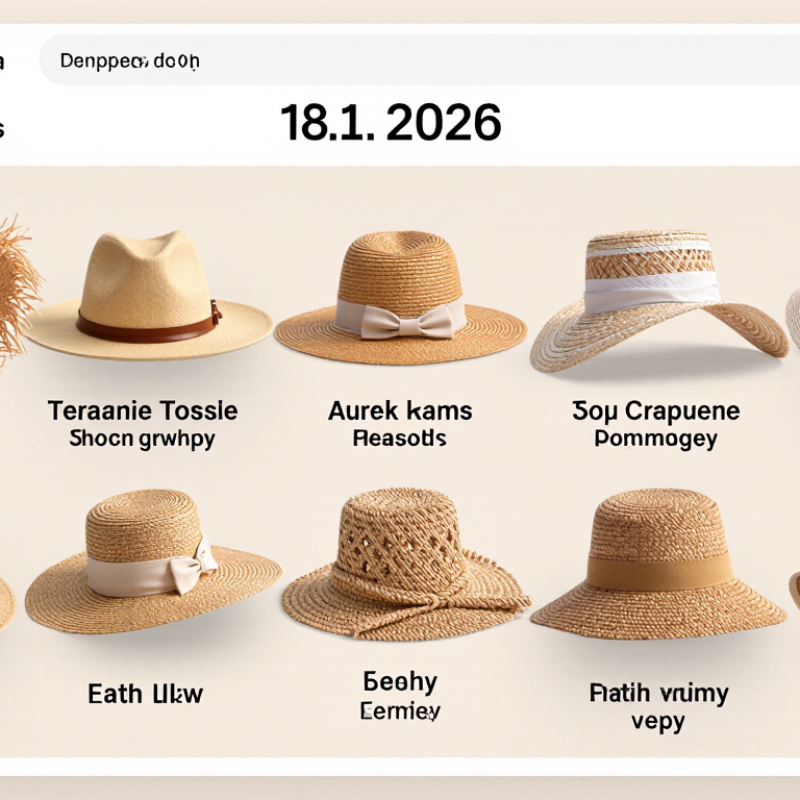
A suitable straw hat should protect the face, feel stable, and match real daily movement. Wide brims remain useful for strong sunlight, especially during walking, gardening, or outdoor travel. However, a very wide brim can catch wind and block peripheral vision. That trade-off deserves attention.
The seven most practical styles include wide-brim hats, fedoras, bucket hats, visors, boater hats, rancher shapes, and packable designs. Each serves a different routine. A visor suits people who want an open crown and easy hair access. A bucket hat offers a softer fit for commuting. Packable straw works well in luggage, though repeated folding may create weak creases.
Comfort now depends on more than appearance. Look for adjustable inner bands, breathable weaving, secure chin cords, and several size options. These details help accommodate thick hair, braids, glasses, and changing humidity. A hat should not press the temples or leave deep marks after an hour. Try it while turning your head. Small movement reveals poor balance.
Materials also matter. Tightly woven straw usually offers better structure, while open weaving improves airflow but may provide less shade. Check care instructions before buying. Natural fibers can react badly to moisture, heat, or careless storage. I would also question vague claims about sun protection. A darker, denser weave may help, but only verified testing supports dependable protection. Some fashionable choices simply do not perform well.
The best straw hat depends on where and how you will wear it. A wide-brim sun hat offers stronger face and neck coverage, while a boater hat suits city walks and outdoor lunches. Fedora, cloche, bucket, visor, and packable styles provide different levels of shade, structure, and convenience. That makes seven practical options for different wardrobes and routines.
Check the weave before the decoration. Tighter straw usually blocks more light and feels more stable in wind. However, appearance can mislead. Look for a tested UPF rating when sun protection matters, because not every natural fiber offers equal coverage. A brim measuring around three inches may shade the face, but it will not fully protect the shoulders. A firm crown also helps the hat keep its shape during repeated use.
Fit deserves careful attention. Measure your head above the eyebrows, then compare that measurement with the inner band. An adjustable sweatband is useful after humid walks, especially when hair changes the fit. I once chose a beautiful loose hat, and one gust made it nearly useless. Packable designs save luggage space, but frequent folding can create permanent creases. Check stitching, brim recovery, ventilation, and cleaning instructions. A comfortable hat that stays secure is usually more valuable than a dramatic shape worn only once.
7 Best Straw Hats for Women in 2026?
The 7 Best Straw Hat Styles for Different Looks and Needs
Straw hats now balance style, shade, and everyday comfort. Grand View Research valued the global hats market at about USD 17.59 billion in 2023, showing strong consumer interest in headwear. A wide-brim hat suits beach walks and long outdoor lunches. Choose a tightly woven crown and a brim near three inches for better coverage. A classic boater creates a crisp, polished look. It works well with linen shirts and tailored trousers. A straw fedora feels more structured and suits city outfits. However, stiff edges may press against the forehead after several hours.
A flexible bucket hat handles travel, gardening, and casual weekends. Its downward brim offers practical shade without looking formal. A straw visor keeps the crown open and supports cooler airflow. It may suit runners, but it offers less protection across the top of the head. A cowboy-inspired style adds shape and personality to denim or loose dresses. A soft cloche gives a gentle vintage effect, though it can feel warm in humid weather. I still misjudge hat depth sometimes. A beautiful style can become uncomfortable quickly.
Tips: Check the inner band before buying. It should feel secure, not tight. Look for breathable fibers, reinforced stitching, and adjustable sizing. The American Academy of Dermatology recommends wide-brimmed hats for sun protection, but no hat blocks every ray. The 2024 Environmental Working Group sunscreen report also supports combining shade with other sun-safe habits. A UPF label helps, yet weave density and fit still deserve attention.
A practical comparison of classic straw hat silhouettes for sun protection, travel, comfort, and everyday styling.
| Straw Hat Style | Best For | Typical Brim | Sun Coverage | Packability | Ventilation | Style Profile | Practical Notes |
|---|---|---|---|---|---|---|---|
| Wide-Brim Sun Hat | Beach days, gardening, outdoor events, and maximum face coverage | 10–15 cm | Excellent; shades the face, ears, neck, and upper shoulders | Low to medium, depending on whether the brim is rigid or flexible | Good when made with an open weave or ventilation panels | Elegant, relaxed, and resort-inspired | A secure chin cord is useful in windy conditions; a dense weave generally provides more shade. |
| Floppy Straw Hat | Casual vacations, poolside outfits, and soft bohemian looks | 9–14 cm | Very good; the flexible brim can be positioned for extra shade | Medium; flexible versions are easier to pack than stiff styles | Good to excellent with a loosely woven crown | Feminine, bohemian, and laid-back | The soft brim is comfortable but may block peripheral vision if it droops too far. |
| Panama-Style Straw Hat | Travel, city wear, smart-casual outfits, and polished summer styling | 6–9 cm | Good; provides dependable facial shade without feeling oversized | Medium to high only when specifically designed to be foldable | Moderate to good, depending on the weave density | Classic, tailored, and versatile | A firm crown keeps its shape well, but should not be crushed unless the hat is designed for folding. |
| Straw Fedora | Everyday wear, sightseeing, brunch, and outfits with a structured finish | 5–8 cm | Moderate; protects the eyes and upper face more than the neck | Medium; structured crowns resist folding | Moderate, with better airflow in open-weave designs | Modern, neat, and slightly androgynous | A medium-width brim offers a balance between sun coverage and easy daily wear. |
| Boater Hat | Picnics, garden parties, summer dresses, and vintage-inspired outfits | 6–8 cm | Good from above; the flat brim offers even shade around the head | Low; the flat, rigid brim needs careful storage | Moderate; depends on crown height and weave openness | Polished, playful, and retro | Its stable shape works well for dressier occasions but is less convenient for crowded travel. |
| Cloche-Style Straw Hat | Windy days, commuting, and outfits that need a close-fitting silhouette | 4–7 cm | Moderate; mainly shades the forehead, eyes, and sides of the face | Medium, depending on the crown construction | Fair to good; a smaller crown may feel warmer in direct sun | Feminine, refined, and vintage-inspired | A close fit stays secure more easily, but accurate head measurement is especially important. |
| Straw Visor | Sports, walking, travel, beach activities, and hairstyles that need an open crown | 7–11 cm | Good for the face and eyes; limited protection for the top and back of the head | High; many versions fold or roll more easily than full hats | Excellent because the crown remains open | Sporty, practical, and hairstyle-friendly | Best for high ponytails or buns; pair with sunscreen because the scalp remains exposed. |
Selection tip: For stronger everyday sun protection, choose a closely woven hat with a brim of at least 7 cm, a comfortable fit, and a secure chin cord when wind is expected.
A straw hat should support an outfit, not compete with it. For relaxed weekends, choose a soft, wide-brimmed style with a cotton dress and flat sandals. The woven texture feels natural beside linen, denim, and earthy colors.
For office wear, a smaller structured brim looks sharper with tailored trousers and a sleeveless blouse. Keep the color close to your shoes or belt.
A flat-crowned hat suits beach walks and loose resort clothing. A rounded crown feels softer with floral dresses or flowing skirts. For city errands, try a medium brim with a white shirt, straight-leg jeans, and leather flats.
I once matched a dramatic brim with a narrow blazer. It looked stylish in the mirror, but awkward on a crowded train. Practicality matters. The Business Research Company’s 2025 headwear market analysis identifies sun protection and online shopping as important demand drivers. The World Health Organization also advises protection when the UV Index reaches 3 or higher.
Tips: Check the brim before choosing your outfit. Wide brims need simpler clothing. A neutral hat works across more occasions. Add a scarf only when the weave and pattern remain balanced. For windy locations, a discreet chin cord may help, though it can make the look less polished. Choose breathable, tightly woven straw for longer outdoor wear.
The weave is not just decoration. It changes comfort, shade, and durability.
A beautiful straw hat needs care beyond occasional brushing. In my experience, dust settles quickly around the crown and sweatbands. Use a soft, dry brush after outdoor wear. For small marks, dab gently with a barely damp cloth. Do not soak the straw. Water can distort the weave or weaken its shape. Let the hat dry naturally in shade, away from radiators and direct sunlight.
Storage affects how long a hat remains wearable. Keep the crown supported with clean tissue paper. Store the hat brim-down only when the brim rests evenly. Otherwise, place it flat in a breathable box. Avoid plastic bags, crowded shelves, and heavy objects on top. I once stored a hat in a warm cupboard, and its brim became slightly uneven. It still looked charming, but the mistake was avoidable.
Tips: Rotate hats during humid seasons. Wipe the inner band after use. Allow complete air-drying before storage. In summer, wider brims offer practical sun coverage, while compact styles suit travel. During cooler months, keep straw hats indoors for dry events rather than damp walks. Each weave behaves differently, so check its care label before using cleaning products. A little caution helps, though perfect preservation is unrealistic.
It should shade the face, stay secure, and feel comfortable during daily movement. Small details matter. Look for breathable weaving, adjustable bands, and stable sizing.
A wide-brim hat usually offers better facial coverage during walks, gardening, and outdoor travel. A brim near three inches can provide useful shade. However, very wide brims may catch wind or limit side vision.
Yes, its downward brim suits commuting, gardening, travel, and relaxed weekends. It feels less formal than structured styles. Fit can vary, so check the inner band carefully.
A visor leaves the crown open, allowing more airflow and easier hair access. It may suit active outdoor routines. It protects less of the head than a full hat.
Packable designs fit easily into luggage and support flexible travel plans. Repeated folding may create weak creases. Not always perfect. Store it carefully after returning home.
The inner band should feel secure without pressing the temples. Try turning your head while wearing it. Thick hair, braids, glasses, and humidity may change the fit.
Tightly woven straw usually creates stronger structure and fewer open gaps. Open weaving improves airflow but may reduce shade. Reliable protection requires verified testing, not appearance alone.
Check its care instructions before exposing it to moisture or heat. Natural fibers may warp under careless storage. Keep the hat dry and supported when not in use.
A boater hat creates a crisp look with linen shirts and tailored trousers. A straw fedora feels more structured for city clothing. Stiff edges may become uncomfortable after several hours.
Yes, appearance does not guarantee comfort, balance, or useful coverage. I sometimes misjudge hat depth myself. Try the hat during movement, not only in a mirror.
Choosing the right Straw Hats For Women in 2026 means balancing style, comfort, sun protection, and practicality. This guide explains what makes a straw hat suitable for modern women, including a comfortable fit, breathable construction, a useful brim, lightweight materials, and a shape that complements different face shapes and personal styles. It also highlights key features to compare before buying, such as durability, adjustability, packability, color, texture, and resistance to everyday wear.
The guide presents seven versatile straw hat styles for different looks and needs, from relaxed beach designs to polished options for city outings, travel, and outdoor events. It also offers simple advice for matching hats with dresses, casual clothing, resort outfits, and seasonal accessories. Finally, readers will learn how to clean, store, and protect straw hats properly, as well as how to transition them between warm-weather activities and seasonal wardrobes while preserving their shape and appearance.