Choosing Custom Baseball Hats for a brand is not just a matter of adding a logo. The cap’s shape, fabric, fit, and finish all affect how often people wear it—and how clearly your identity appears. A structured six-panel cap can give embroidery a steady surface, while an unstructured crown feels softer and more relaxed. Small choices matter.
Custom-headwear product developer Avery Collins puts it this way: “A great branded cap should feel like something people chose, not something they were handed.” That is a useful standard, though comfort alone cannot rescue a weak design. Consider where the hat will be worn, who will wear it, and whether the decoration suits the fabric. A dense embroidered mark may look crisp on cotton twill but feel bulky on a lightweight performance cap. Test a sample. Check the seam placement, sweatband, closure, and logo size in daylight.
This guide explains how to match cap styles, materials, colors, and decoration methods to your brand and budget. It also covers sampling and supplier questions, so you can spot practical issues before placing a larger order. There may be trade-offs. A premium fabric can raise costs, and a fashionable silhouette may not fit every audience. Start with real wearer needs, then refine the visual details. Your first mockup may not be the right one. That is normal.
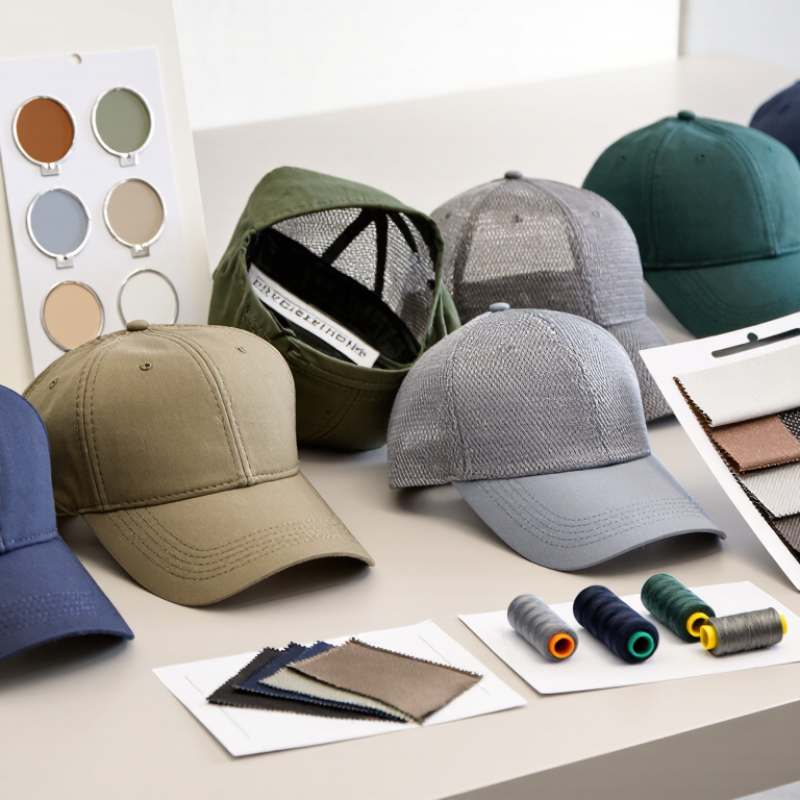
Start by deciding who will wear the hat and where they will use it. A youth team may need a lightweight cap that stays secure during practice. A local event audience may prefer an adjustable fit and a softer crown for all-day wear. The Sports & Fitness Industry Association’s 2024 Topline Participation Report estimated 16.7 million U.S. baseball participants in 2023, up 7.6% from 2022. That figure offers useful context, but it does not measure hat-buying interest. It is easy to overread it.
Match the hat’s purpose to its construction. For frequent outdoor use, consider breathable panels, a sweatband, and a brim that holds its shape. For casual fan wear, comfort and easy adjustment may matter more than a structured crown. Ask a few likely customers to try samples; fit can feel different across head shapes, and a design that looks right on a screen may disappoint in person. Keep the first order modest if feedback is limited.
Tips: Write down the wearer, setting, and intended use before choosing materials. Test samples in real conditions. A sunny afternoon tells you more than a product photo.
| Audience or Use | Primary Need | Suitable Hat Features | Decoration Considerations | Practical Check Before Ordering |
|---|---|---|---|---|
| Outdoor event attendees | Comfort and shade during extended time outdoors | Curved brim, breathable fabric, adjustable closure, and a structured or mid-profile crown | Embroidery works well for simple, bold designs; keep small text limited because stitching can reduce legibility. | Check that the brim provides useful shade and that the closure accommodates a range of head sizes. |
| Sports teams and supporters | A recognizable look suited to active wear and everyday use | Durable construction, secure fit, moisture-managing sweatband, and a curved or flat brim according to preference | Use a clear, high-contrast design. Confirm that embroidered details remain readable at the intended size. | Test fit during movement and review the hat from the front, sides, and back. |
| Retail customers seeking a casual accessory | Versatile styling and a comfortable fit | Classic six-panel shape, adjustable strap, moderate crown height, and a neutral or coordinated color palette | Consider embroidery for a textured finish or a printed design when the artwork includes fine detail or multiple colors. | Review a physical sample for fabric feel, color accuracy, stitching, and overall shape. |
| Staff working outdoors | All-day comfort, practical shade, and easy identification | Lightweight, breathable material, a sweatband, curved brim, and an adjustable fit | Place the design where it is visible without interfering with seams or ventilation eyelets. | Check comfort across a full work shift and consider how the fabric handles routine cleaning. |
| Promotional giveaways | Broad appeal, simple sizing, and efficient distribution | Adjustable closure, classic shape, and durable fabric suitable for regular wear | Choose a clean design with limited fine detail so it remains legible across production methods. | Confirm minimum order quantities, available color options, lead time, and the cost of a pre-production sample. |
| Warm-weather activities | Airflow and reduced heat buildup | Breathable fabric, ventilation eyelets or mesh panels, and a lightweight construction | Check how decoration placement affects airflow, especially on mesh panels. | Compare fabric weight and ventilation on a sample; comfort can vary with climate and activity level. |
| Streetwear or fashion-focused customers | A distinctive silhouette and coordinated styling | Structured crown, higher profile, flat brim, or a specific fabric texture based on the intended look | Confirm artwork scale and placement carefully; contrast stitching or layered decoration can change the overall appearance. | Review the hat on a wearer or mannequin to assess crown height, brim shape, and proportions. |
Consider who will wear it and where. A youth team may need a lightweight cap that stays secure during practice. Event guests may prefer easy adjustment and a soft crown.
Structured six-panel caps hold their shape and support embroidery. Unstructured caps feel softer and pack easily. Fit comes first.
Cotton twill feels familiar but may feel warm during activity. Polyester dries quickly and holds color well. Mesh panels improve airflow, though they limit embroidery options.
A strapback allows gradual adjustment. A snap closure adjusts quickly but uses fixed steps. Try both if possible.
Embroidery gives bold shapes a raised finish. Small text may lose clarity in stitching. Printing or heat transfers can retain more detail on suitable fabrics.
Check fabric and logo colors in daylight and indoor lighting. A dark logo can disappear against a similar shade. Bright colors stand out, but may be worn less often.
Check seams, eyelets, brim firmness, and the sweatband against the forehead. View the logo from arm’s length. Photos hide texture.
Keep the first order modest if feedback is limited. Compare the sample with the approved design, and confirm production tolerances. A mock-up can look better onscreen than on fabric.
Choosing Custom Baseball Hats for your brand starts with understanding who will wear them and how they will be used. Consider whether the hats are intended for everyday wear, team activities, events, or promotional gifts, then compare suitable styles, materials, and construction details. Factors such as fit, comfort, durability, and seasonal use can help narrow your options. Select colors and logo placement that suit your visual identity, and compare customization methods to find a finish that looks clear and holds up to regular wear.
Before placing an order, set practical standards for quality, quantity, and budget. Request details about materials, stitching, sizing, production timelines, and minimum order requirements so you can compare suppliers on consistent terms. A production sample is an important final check: review its fit, color, logo appearance, and construction before approving the full run. With clear priorities and careful evaluation, you can choose hats that meet your needs and create a consistent, useful product for your audience.