How to Choose Mens Straw Hats for Global Buyers in 2026?

Time:2026-10-11 Author:Charlotte
0%

Choosing the right Mens Straw Hat in 2026 requires more than comparing photos and prices. Global buyers must consider material quality, fit, climate, production consistency, and supplier reliability. A hat that looks attractive online may feel rough, lose shape, or fade under strong sunlight. Small details matter.

This guide examines practical factors for professional purchasing decisions. Buyers can compare natural straw, paper braid, raffia, and blended fibers according to durability and intended use. A lightweight weave may suit beach markets, while a tighter structure can perform better in travel retail. Brim width also affects comfort, shade, packing space, and shipping costs. Measure the head circumference carefully. A few centimeters can change the customer experience.

Supplier evaluation deserves equal attention. Request current product samples, material descriptions, size charts, production photographs, and packaging details. Check whether colors remain consistent across batches. Ask how hats are protected from moisture during transport. Reliable communication is useful, but documented quality control is stronger evidence. Certifications may support trust, although buyers should verify their scope and validity.

There is no perfect choice. Some fashionable designs sacrifice durability. Some strong hats feel less comfortable. That trade-off is easy to overlook. Buyers should test samples in realistic conditions, including heat, handling, stacking, and repeated wearing. Customer feedback can reveal problems that factory images hide. A thoughtful purchasing process protects brand reputation and reduces avoidable returns. In 2026, the best Mens Straw Hat combines appearance, function, responsible sourcing, and dependable supply performance.
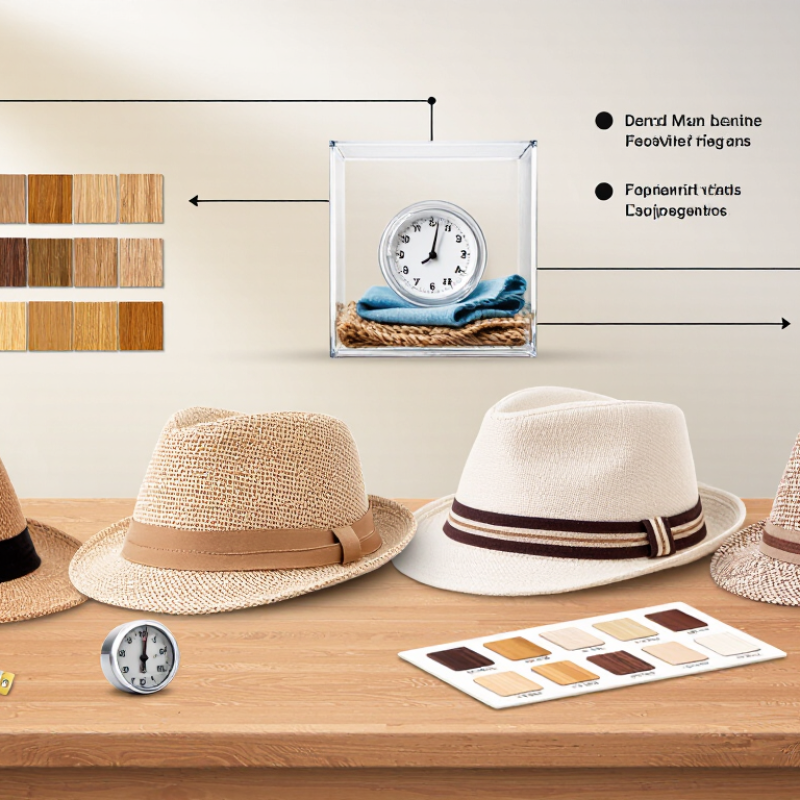
How to Choose Mens Straw Hats for Global Buyers in 2026?

What Defines a Quality Men’s Straw Hat in 2026

A quality men’s straw hat in 2026 should feel dependable before it looks fashionable. From inspecting hats for summer markets, I check the weave, crown shape, and edge finishing first. Even rows usually indicate careful workmanship. Loose fibers or sharp stems can cause discomfort after several hours.

Natural straw should feel firm, not brittle. A flexible brim is useful, but it should recover its shape after gentle handling. The sweatband needs clean stitching and breathable fabric. A suitable inner band also helps manage moisture in humid regions. Size accuracy matters globally, because head measurements vary widely. Buyers should request measured dimensions, not rely only on general labels.

Tips: Ask for material details, weave photos, and a size chart. Test colorfastness with a slightly damp white cloth. Check whether the brim remains stable after light bending. Confirm packaging protects the crown during shipping. I also recommend reviewing sample consistency across several pieces. One excellent sample proves little. No inspection is perfect, and I have seen attractive hats fail because their bands loosened after repeated wear. Suppliers should provide honest care instructions and avoid unsupported claims about protection or durability. Clear records, repeatable measurements, and practical testing make quality easier to trust.

How to Match Straw Hat Styles with Different Face Shapes

How to Choose Mens Straw Hats for Global Buyers in 2026?

Face shape should guide straw hat selection, not control it completely. In practical fittings, a medium-brim hat often balances round faces by adding gentle length. Angular crowns can also create a sharper outline. Longer faces usually suit wider brims and lower crowns. These details soften vertical proportions. Oval faces are flexible, but extreme proportions may still look awkward. Face-shape advice is helpful, not perfect.

Tips: Measure the head before choosing a size. Check the crown height against the forehead. For square faces, try rounded crowns and softly curved brims. They reduce harsh visual lines. Heart-shaped faces often suit medium brims with modest crown height. Avoid very narrow brims if the chin appears noticeably slim. Small details matter.

Global buyers should also consider climate, use, and personal comfort. A tightly woven straw hat can feel more structured, while open weaving improves airflow in hot weather. Look for a stable sweatband and smooth inner seams. These features reduce pressure during long outdoor use. Hat color can affect balance too. Light natural tones appear softer, while darker tones create stronger contrast. I sometimes prefer a slightly imperfect fit over a rigid “ideal” shape. Comfort changes the way people wear a hat. A perfect-looking hat left at home has failed its purpose.

Which Straw Materials and Weaves Suit Global Climates

Choosing men's straw hats for global buyers starts with climate, not appearance. Straw is a category, not one material. Raffia offers flexible fibers and a soft hand, making it suitable for warm, humid regions. Palm leaf usually gives firmer structure and useful shade in dry, intense sun. Paper straw feels light and consistent, but prolonged moisture can weaken its shape. No straw is universal.

In tropical markets, choose a breathable open weave with reinforced crown seams. A looser pattern improves airflow around the head, yet it may offer less protection from wind and fine rain. For hot, arid climates, choose a tighter weave blocks more sunlight and holds its brim better. Braided hemp or durable raffia can balance ventilation and resilience. Seagrass has a natural texture, but its stiffness may reduce comfort during long wear. The trade-off is real.

For changeable European or coastal weather, buyers should inspect moisture resistance, edge binding, and sweatband drying speed. Test hats after light misting, packing, and repeated brim handling. Check whether the crown springs back or stays dented. Color can fade unevenly under strong ultraviolet exposure, especially with lightly dyed fibers.

I once underestimated storage humidity; the hats looked fine at shipment but arrived softer than expected. That mistake supports a practical rule: request climate-specific samples, measure shrinkage, and record weave density before placing larger orders. Fit still matters, because a perfectly ventilated hat fails when the band causes pressure.

How to Check Sizing, Comfort, Durability, and Sun Protection

When choosing men's straw hats for global buyers in 2026, start with measurable fit, not appearance. Measure around the head where the hat will sit, usually one centimeter above the eyebrows. Compare that measurement with the seller's size chart, because labels vary between markets. A flexible inner band helps, but it cannot rescue a badly sized crown. Try it indoors first. The hat should stay secure when you turn your head, without leaving a deep mark. I have found that buyers often forget ear and hair volume, especially with longer hairstyles. That small oversight causes returns.

Comfort depends on more than weight. Check whether the sweatband feels smooth and whether the brim presses against your temples. Natural straw can feel cool, yet rough edges may irritate skin after several hours. Ask for close photos of stitching, the crown, and the underside of the brim. For humid travel, look for breathable construction and a band that dries reasonably quickly. Still, “breathable” is not a technical guarantee. Request material details and care instructions from the supplier. I once underestimated moisture exposure; the shape softened sooner than expected.

Durability should be judged at stress points, including the brim edge, band attachment, and crown joins. A tightly woven surface usually resists deformation better than a loose weave. However, dense straw may reduce airflow. For sun protection, choose a broad, stable brim and ask whether tested UV performance is documented. Color alone proves little. A darker interior can reduce glare, but it does not replace sunscreen or sunglasses. Check whether the brim remains level after packing and repeated use. That practical test is easy to miss.

How to Choose Men's Straw Hats for Global Buyers in 2026? - How to Check Sizing, Comfort, Durability, and Sun Protection

Evaluation Dimension Recommended Check Practical Target or Requirement Why It Matters Buyer Decision
Head Circumference Measure around the head with a soft tape, positioned about 1 cm above the eyebrows and ears. Offer adjustable or graded sizes covering approximately 55–61 cm for broad international demand. A correct circumference reduces pressure, slipping, and returns caused by inconsistent sizing. Prefer clearly labeled measurements in centimeters rather than relying only on S/M/L labels.
Fit Tolerance Check the internal sweatband, size adjuster, and crown shape on a fitting sample. A practical adjustment range of about 1–2 cm is useful for shared or uncertain sizing. Small adjustment capacity improves comfort without making the hat visibly loose. Choose an adjustable sweatband for flexible retail and travel markets.
Crown Height Measure the crown from the inner sweatband to the highest point. Approximately 9–11 cm suits many everyday men's styles, subject to the intended silhouette. A suitable crown height prevents excessive contact with the head and improves perceived comfort. Match crown proportions with the target customer profile and hairstyle volume.
Brim Width Measure the brim from the crown edge to the outer brim edge at the front and sides. About 6–8 cm provides a useful balance between daily wear, portability, and face shading. Wider brims generally shade more skin, while narrower brims are easier to pack and wear in urban settings. Select the width according to climate, activity, and local style preferences.
Material Type Confirm the fiber composition and inspect the weave, surface, flexibility, and odor. Natural straw, paper fiber, raffia, and synthetic fibers have different moisture and shape-retention properties. Material choice affects weight, breathability, water sensitivity, appearance, and end-use suitability. Request exact fiber content instead of using “straw” as the only material description.
Weave Consistency Inspect both sides under bright light for gaps, broken fibers, loose ends, and uneven density. The weave should be visually even, with no sharp protrusions or openings that compromise structure. Consistent weaving improves appearance, comfort, and resistance to premature deformation. Reject samples with repeated loose fibers, visible holes, or rough interior surfaces.
Weight and Comfort Weigh the hat and wear it for at least 20–30 minutes while walking and sitting. Many lightweight summer hats fall near 80–150 g, but comfort depends on balance and construction. Low weight helps reduce neck fatigue, but an overly thin structure may lose shape easily. Evaluate weight together with crown stability, sweatband softness, and brim balance.
Ventilation Check whether the weave allows airflow and whether the sweatband absorbs moisture without retaining excessive heat. Open or breathable weaves are preferable for hot climates, provided they maintain adequate coverage. Ventilation reduces heat buildup during outdoor use. For tropical markets, prioritize breathable construction and a moisture-managing sweatband.
Shape Retention Place the hat on a flat surface, gently flex the brim, and inspect it after repeated handling. The crown and brim should return close to their original shape without cracking or permanent waves. Shape retention affects shelf presentation, customer satisfaction, and transport losses. Use reinforced edges or flexible construction where shipping and frequent handling are expected.
Seam and Trim Strength Inspect stitching, hatband attachment, decorative elements, and edge binding; apply gentle pull by hand. No visible skipped stitches, detached trim, sharp wire ends, or loose decorative parts should be present. Weak attachment points are common causes of damage during use and international transport. Request pre-shipment inspection photos and a defined defect standard.
Sun Coverage Assess brim width, crown coverage, side shading, and whether the brim remains level during wear. A brim around 6–8 cm offers useful everyday shading; coverage varies with head position and sun angle. Physical coverage is different from a certified ultraviolet protection rating. Do not claim a specific UPF level unless the finished hat has been tested.
UPF Documentation Request a test report for the finished hat, including the test method, sample description, and result. Use only verified ratings; a product should not be labeled “UPF 50+” without appropriate evidence. Ultraviolet protection depends on material, weave density, color, stretch, and finished construction. If no test report exists, describe physical shade coverage without making a certified UV claim.
Moisture Resistance Apply a small amount of water to an inconspicuous area and observe darkening, deformation, odor, and drying behavior. Clearly state whether the hat is water-resistant, splash-resistant, or intended to remain dry. Many natural-fiber hats can lose shape or develop mildew if stored damp. For humid regions, provide care instructions and moisture-resistant packaging where appropriate.
Colorfastness Rub a dry and slightly damp white cloth over dark or dyed areas and inspect for transfer. There should be no obvious color transfer under normal dry handling; formal testing is preferable for dyed products. Color transfer can stain clothing and create complaints in hot, humid conditions. Set colorfastness requirements before bulk production, especially for dark trims.
Odor and Skin Contact Wear the sample briefly and check for strong chemical, mold, adhesive, or dye odors. The hat should have no persistent unpleasant odor or rough component touching the skin. Sweat, heat, and direct skin contact can intensify odor and irritation issues. Approve samples only after normal ventilation and a basic skin-contact review.
Packaging and Shipping Test carton compression, stacking, moisture protection, and recovery after unpacking. Packaging should protect the crown and brim while allowing adequate ventilation for natural fibers. Poor packaging can cause crushing, mold, stains, and deformation before retail display. Approve a transport simulation or trial shipment before placing a large order.
Care Label and Compliance Check fiber content, country-of-origin rules, care instructions, warnings, and language requirements for the destination market. Labels and claims should match the actual material, test evidence, and import requirements of each destination. Accurate information reduces customs delays, misleading-claim risk, and consumer misuse. Prepare market-specific labels and avoid unsupported terms such as “waterproof” or “UV protected.”

What International Buyers Should Know About Pricing and Shipping

For global buyers, men’s straw hats are priced by more than straw and stitching. Material grade, brim width, crown shape, labor, and packing size affect the quotation. A hand-finished edge may cost more, but it often survives repeated handling better. Ask suppliers for tiered prices at 100, 500, and 1,000 pieces. Small orders can hide high setup costs. Confirm whether prices include inner bands, labels, cartons, and export packing. Costs can drift.

Shipping requires a separate calculation. A hat may be light, yet its carton can be bulky. Freight providers usually charge by actual or volumetric weight, whichever is higher. Request carton dimensions, gross weight, units per carton, and estimated loading quantity. These figures help compare air freight, sea freight, and consolidated cargo fairly. For seasonal collections, sea transport is cheaper but less forgiving of delays. Air shipping costs more, though it can protect a launch date. Do not rely on a single freight quote. Rates change with fuel, routes, port congestion, and exchange rates.

Before payment, agree on the trade term, delivery point, inspection process, and damage responsibility. Clarify who handles import duties, taxes, and customs documents. Ask for a sample packed like the real shipment. This exposes crushed brims, weak cartons, and moisture risks early. I have seen buyers compare unit prices while overlooking expensive repacking fees. My own costing sheets would be unreliable if carton measurements were guessed. Measure twice. Details matter.

How to Choose Men's Straw Hats for Global Buyers in 2026

Indicative 2026 planning benchmarks for a 1,000-piece sea shipment from an Asian production hub. Costs are shown per hat in USD; actual prices vary by material, order volume, customs classification, and shipping route.

For international buyers, the lowest factory price does not always mean the lowest landed cost. Ocean freight, import handling, seasonal demand, and transit time should be evaluated together before selecting a men's straw hat style or supplier.

FAQS

Which straw material suits hot, humid climates?

Raffia offers flexible fibers and a soft feel. Choose an open weave for better airflow. Reinforced crown seams help reduce stretching. Loose weaves may resist less wind and rain.

What works best in dry, intensely sunny regions?

Palm leaf usually provides firmer structure and useful shade. A tighter weave blocks more sunlight. Braided hemp or durable raffia can balance ventilation and strength. Dense straw may feel warmer.

How should buyers test hats for changing coastal weather?

Inspect moisture resistance, edge binding, and sweatband drying speed. Mist the hat lightly, pack it, and handle the brim repeatedly. Check whether the crown springs back. A dent that remains is a warning.

How can international buyers choose the correct size?

Measure around the head, about one centimeter above the eyebrows. Compare the result with the supplier’s size chart. Include hair volume and ear position. A secure hat should not leave a deep mark.

What details reveal everyday comfort?

Check the sweatband, brim edges, crown seams, and underside stitching. Rough fibers may irritate skin after several hours. The brim should not press against the temples. Try the hat indoors first.

How can buyers judge durability and sun protection?

Inspect the brim edge, band attachment, and crown joins. Tighter weaves usually resist deformation better. Choose a broad, stable brim for stronger shade. Color alone does not prove ultraviolet protection.

What pricing details should buyers confirm before ordering?

Ask for prices at 100, 500, and 1,000 pieces. Confirm material grade, brim width, crown shape, labor, bands, labels, and cartons. Hand-finished edges may cost more. Small orders can hide setup charges.

How can buyers estimate shipping costs accurately?

Request carton dimensions, gross weight, units per carton, and loading quantity. Freight may use volumetric weight instead of actual weight. Compare air, sea, and consolidated cargo. Bulky cartons can surprise you.

What should be agreed before payment?

Confirm the trade term, delivery point, inspection process, and damage responsibility. Clarify duties, taxes, and customs documents. Request a sample packed like the real shipment. Measure twice. My guessed carton figures once made costing unreliable.

Conclusion

Choosing the right Mens Straw Hat in 2026 requires more than selecting an attractive design. Quality depends on even weaving, secure stitching, a balanced shape, breathable construction, and a finish that resists everyday wear. Buyers should match crown height and brim width with different face shapes, while considering natural or blended straw materials suited to hot, humid, dry, or windy climates. The weave should provide airflow without sacrificing structure, and the hat should feel lightweight and comfortable during extended outdoor use.

International buyers should carefully check head measurements, adjustable features, sweatbands, durability, and tested sun protection performance. Product specifications should clearly state materials, dimensions, packing methods, minimum order quantities, and customization options. Pricing should be evaluated together with workmanship, packaging, shipping fees, delivery time, and import-related costs. Comparing samples before placing a larger order can help confirm consistency, comfort, color accuracy, and protection. A reliable purchasing plan balances style, function, climate suitability, and total landed cost for different markets.


Charlotte

Charlotte

Charlotte is a seasoned marketing professional with a deep understanding of the company's portfolio and a passion for elevating its presence in the market. With a keen eye for detail and a commitment to excellence, she ensures that our professional blog is regularly updated with insightful articles......