Sourcing Custom Ball Caps in bulk starts with more than finding the lowest price. It requires a clear product brief, dependable supplier checks, and disciplined quality control. Caps look simple. Yet crown structure, cotton weight, sweatband comfort, visor shape, and stitching affect their final value. Buyers with production experience usually request physical samples before approving large quantities. They inspect embroidery density, color consistency, seam strength, and packaging by hand. Small flaws become expensive when thousands of units arrive.
The right supplier should explain minimum order quantities, lead times, sampling fees, payment terms, and replacement procedures clearly. Verified business credentials and documented factory processes add confidence, especially for first-time importers. Do not rely on polished photos alone. A practical sourcing plan compares several factories against the same written specifications. Include artwork files, measurements, fabric preferences, closure type, target quantity, and delivery location. Ask how the factory handles rejected panels or uneven embroidery. Their answer often reveals more than a sales presentation. Responsible sourcing also considers worker safety, material traceability, and accurate product descriptions. Requirements vary by market, so buyers should confirm applicable standards with qualified local advisers. This guide follows a buyer-focused approach, combining supplier research with practical inspection habits. It is not flawless. Experienced buyers still encounter delays when artwork approval becomes an afterthought. That lesson matters. Clear records, realistic deadlines, and honest communication make bulk Custom Ball Caps orders more predictable.
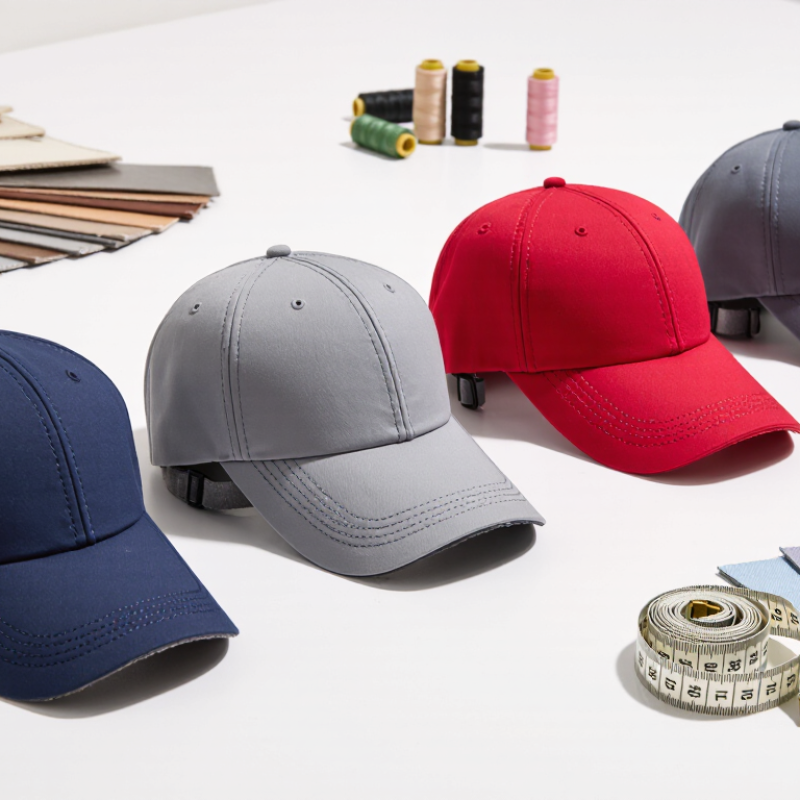
Before sourcing custom ball caps in bulk, define the product in measurable terms. A vague request creates uneven samples, delayed approvals, and unexpected costs. Start with the cap style, crown height, brim shape, closure type, and target wearer. Decide whether the cap should feel structured or soft. Fit matters more than many buyers expect.
Record the fabric weight, fiber content, color reference, and washing expectations. Cotton may offer comfort, while blended fabric can improve shape retention. Specify embroidery size, thread colors, placement, and acceptable stitch variation. A logo centered by eye may still look wrong on a production line. Include head circumference ranges in centimeters, not only terms like “adult” or “one size.” Measure the brim carefully. Small changes affect the entire appearance.
Your quantity plan should separate total units from size or color breakdowns. Ask for pre-production samples before approving bulk manufacturing. Check seam strength, sweatband comfort, loose threads, color accuracy, and closure durability. My first specifications were too general, and the sample exposed several fit problems. That mistake taught me to photograph measurements beside a ruler. It also helps to define packaging, carton counts, labeling, and inspection standards early. Leave room for revision. Perfect assumptions rarely survive contact with real samples.
Sourcing custom ball caps in bulk starts with a clear material decision.
Cotton feels soft and breathable, while polyester handles moisture and repeated washing better. Recycled blends can support sustainability goals, but their texture and color consistency need checking. For outdoor teams, a structured cap with a firm front panel holds its shape. An unstructured cap feels more relaxed and packs easily. Fit matters more than a dramatic sketch. Request samples in several head sizes, then test the closure, crown depth, and brim curve.
Branding should match the fabric and production quantity.
Embroidery gives a raised, durable mark on cotton twill, but fine lettering may become unclear below a certain size. Screen printing suits simple graphics and can control costs on larger runs. Woven patches add texture, although their edges may feel bulky on lightweight caps. Heat-transfer decoration offers sharp detail, yet heat and washing tests remain essential. Ask for a physical proof, not only a digital mockup. Screens can mislead. Not always.
A reliable supplier should explain fabric weight, stitching density, colorfastness, and inspection procedures.
I prefer checking random pieces from a pre-shipment batch, including sweatbands and seam tension. Small flaws matter. A first sample may look excellent, while the full order exposes uneven panels or loose threads. Confirm tolerances, packaging, delivery dates, and replacement terms in writing. Leave room for honest revision; the cheapest cap is rarely the safest choice for a public-facing project.
Finding a reliable bulk cap supplier requires more than comparing prices. Request physical samples before approving large production. Check the stitching, fabric weight, panel shape, sweatband, closure, and embroidery detail. A cap may look excellent in photos but feel flimsy in hand. Ask for a written specification sheet. It should list materials, dimensions, color references, packaging, minimum order quantity, and production time. Clear details prevent expensive misunderstandings.
Evaluate the supplier’s production experience through factory photos, quality records, and recent customer references. Ask how they inspect fabric, sewing, printing, and final packing. Reliable suppliers usually explain their inspection process without avoiding specific questions. Confirm their capacity during your preferred delivery period. A supplier that accepts every order may not have enough control. Communication matters too. Slow, vague replies can become serious delays later.
Tips: Order a small sample batch first. Compare two or three suppliers using the same requirements. Do not judge quality from price alone. Ask what happens when defective caps are found. Get replacement terms in writing. Keep approval samples beside the production line when possible. A low quote can look attractive, but I have learned that hidden costs often appear in rushed shipping, uneven embroidery, or inconsistent sizing. My own evaluation mistakes usually came from trusting promises before checking evidence. Reliability needs proof.
How to Source Custom Ball Caps in Bulk?
Requesting samples is the most reliable way to judge a bulk cap supplier. Digital photos can hide uneven stitching, weak fabric, and poor shape recovery. Ask for a pre-production sample made with the exact fabric, logo method, thread color, closure, and packaging planned for production.
I recommend sending a clear measurement chart with the sample request. Check crown height, brim length, head opening, panel alignment, and seam allowance. Measure each area twice. Small differences can become expensive across thousands of caps. Ask the supplier to provide fabric composition, fabric weight, color references, and applicable textile safety test reports. These documents support practical quality control.
Inspect the sample under bright, natural light. Look for loose threads, crooked embroidery, puckered seams, stains, and uneven brim curves. Test the closure repeatedly. It should adjust smoothly without tearing the fabric. Some checks are easy. Others are not. I once focused too much on logo placement and missed a slightly twisted back panel. That mistake showed why a written inspection checklist matters.
Confirm acceptable tolerances before approving production. For example, define measurement limits and identify defects that require replacement. Use an independent inspection service when the order value justifies it. Keep signed sample photos and approval records. A sample is not automatically proof of consistent production, but it creates a dependable reference for both sides.
| Quality Dimension | Recommended Requirement | Sample Check | Bulk-Order Acceptance Standard | Records to Request |
|---|---|---|---|---|
| Sample Quantity | Request at least 2–3 pre-production samples in the intended fabric, color, decoration method, and size. | Compare construction, fit, color, artwork placement, and finishing across all samples. | The approved sample must be signed or digitally approved before mass production. | Approved sample photographs, measurement sheet, and written comments. |
| Fabric Composition | Specify the fiber content, fabric weight, weave, finish, and required color standard in the purchase specification. | Check hand feel, appearance, weight, shade consistency, and fiber-content documentation. | Fabric composition and weight must match the approved specification within the agreed tolerance. | Material specification, supplier declaration, and fabric test report when required. |
| Crown Construction | Define the number of panels, crown height, front-panel structure, lining, and seam arrangement. | Inspect symmetry, panel alignment, puckering, unsupported areas, and internal seam finishing. | No open seams, skipped stitches, excessive puckering, or visible construction defects. | Technical drawing, construction details, and approved reference sample. |
| Visor and Shape | Confirm visor length, curve, material, stitching rows, and required shape after packing and transport. | Measure the visor and compare its curve and appearance with the approved sample. | Visors must be securely attached, evenly shaped, and free from warping or cracking. | Visor specification, measurement chart, and packing instructions. |
| Size and Fit | State the closure type and the target head-size range; adjustable closures should operate smoothly. | Measure crown circumference, depth, visor length, and closure adjustment range. | Measurements must remain within the agreed tolerance, commonly ±0.5–1.0 cm depending on the point measured. | Size chart, graded measurement sheet, and fit approval notes. |
| Embroidery Quality | Confirm artwork dimensions, thread colors, stitch density, backing, placement, and allowable thread trimming. | Check lettering clarity, registration, thread tension, backing visibility, and loose ends. | Artwork must be centered and legible, with no skipped stitches, excessive thread tails, or distortion. | Digitized embroidery file, artwork proof, color references, and placement diagram. |
| Printed Decoration | Specify the print process, ink type, artwork size, color references, and curing requirements. | Inspect coverage, sharpness, registration, surface feel, and resistance to light rubbing. | Print must be fully cured, evenly applied, and free from cracking, peeling, or noticeable color shift. | Artwork proof, print approval, curing record, and decoration inspection report. |
| Color Control | Use a physical color reference or an agreed color standard rather than relying only on screen images. | Review shell fabric, thread, trim, closure, and decoration colors under consistent lighting. | All visible components must match the approved reference within the agreed visual tolerance. | Color approval card, lighting conditions, and shade-band photographs. |
| Colorfastness | Set testing requirements for washing, rubbing, perspiration, and light exposure according to the intended use. | Review test results and inspect samples for staining, fading, bleeding, or transfer. | Results must meet the agreed test method and minimum grade stated in the purchase specification. | Colorfastness test report and care-label information. |
| Shrinkage and Dimensional Stability | Define the washing method, drying method, and maximum dimensional change before production. | Measure representative samples before and after the specified care cycle. | Dimensional change must remain within the agreed tolerance, commonly no more than 3% for a controlled cotton product. | Pre-production measurement sheet and dimensional-stability test result. |
| Seam and Attachment Strength | Require secure seams, reinforced stress points, firmly attached closures, and stable visor connections. | Perform visual inspection and controlled manual pull checks on seams, eyelets, straps, and closures. | No seam separation, broken attachment, loose eyelet, or closure failure during normal use. | Construction checklist and in-line inspection records. |
| Hardware and Trims | Specify closure material, buckle or snap type, eyelets, labels, and finish such as matte or polished. | Check operation, corrosion resistance where relevant, sharp edges, scratches, and finish consistency. | Hardware must function smoothly and must not have sharp edges, significant discoloration, or loose components. | Trim specification, material declaration, and hardware inspection report. |
| Odor and Cleanliness | Caps should be clean, dry, and free from strong chemical, mold, oil, or storage odors. | Inspect and smell samples after unpacking and after a normal conditioning period. | No visible stains, foreign matter, mold, excessive loose fibers, or persistent abnormal odor. | Final inspection checklist and packing-area cleanliness record. |
| Packaging | Define individual packaging, carton quantity, carton dimensions, moisture protection, and labeling. | Check whether caps retain their shape and remain protected during simulated handling. | Packaging must prevent crushing, moisture exposure, contamination, and mixed-size or mixed-color errors. | Packing list, carton markings, product labels, and shipping carton specification. |
| Pre-Shipment Inspection | Use a documented inspection plan covering appearance, measurements, decoration, functionality, and packing. | Inspect randomly selected cartons after production is substantially complete and goods are packed. | Use an agreed sampling plan and acceptance limits; record critical, major, and minor defects separately. | Inspection report, defect photographs, carton list, and corrective-action record. |
| Compliance Documentation | Identify destination-market requirements for labeling, restricted substances, packaging, and product safety. | Verify that documents correspond to the actual materials, colors, trims, and production batch. | Required documentation must be complete, current, traceable, and available before shipment. | Material declarations, test reports, care labels, packing records, and batch traceability details. |
A reliable bulk order begins with a precise cost breakdown. Ask the manufacturer to separate cap bodies, embroidery, labels, packaging, sampling, and shipping. Confirm whether setup fees apply to each logo or color. A low unit price can hide expensive revisions later. Request a written quotation with currency, minimum order quantity, payment milestones, and quotation validity. Keep every assumption visible.
Production terms should describe the cap in measurable detail. Specify fabric weight, crown height, visor shape, closure type, thread colors, and logo dimensions. Approve a physical sample before mass production. Inspect stitching, seam alignment, sweatband comfort, and color consistency under natural light. Include an acceptable defect limit and a pre-shipment inspection date. Small differences happen. They still need documentation.
Delivery planning requires more than a promised ship date. Confirm production days, inspection time, packaging quantities, shipping method, delivery address, and responsibility for customs procedures. Build a buffer for holidays, material shortages, or rework.
In my experience, buyers often calculate factory time but forget transit delays. I have made that mistake myself.
A final purchase agreement should state what happens when quantities, quality, or delivery dates change. Do not rely on chat messages alone. Use signed records.
Define the cap style, crown height, brim shape, closure, fabric, colors, and target wearer. Fit needs measurable details.
Record head circumference ranges in centimeters. “Adult” or “one size” can hide uncomfortable fitting problems.
Request fiber content, fabric weight, color references, and washing expectations. Cotton feels comfortable, while blends may hold shape better.
Confirm embroidery size, thread colors, placement, and acceptable stitch variation. Centering by eye may still look uneven.
It should use the planned fabric, logo method, thread color, closure, and packaging. A digital image is not enough.
Use bright natural light. Check seams, loose threads, stains, brim curves, panel alignment, and closure movement.
Measure crown height, brim length, head opening, and seam allowance twice. Small differences can affect thousands of caps.
Create a written inspection checklist and define acceptable tolerances. Keep signed photos and approval records for reference.
No. A sample provides a useful reference, but production can still vary. Independent inspection may be worthwhile.
I once focused on logo placement and missed a twisted back panel. Better checklists prevent narrow thinking.
Sourcing Custom Ball Caps in bulk begins with clearly defining your project requirements, including cap quantity, target audience, size range, color preferences, fit, closure type, and intended use. Once these details are established, select suitable materials such as cotton, polyester, or blended fabrics, then decide on the preferred style and branding method. Options may include embroidery, screen printing, woven labels, or patches, depending on the desired appearance, durability, and budget.
Next, research and compare reliable bulk cap suppliers by reviewing their production capabilities, communication, lead times, and quality-control processes. Request samples before placing a large order to evaluate fabric feel, stitching, sizing, color accuracy, logo placement, and overall construction. After approving the sample, confirm all pricing, minimum order quantities, production schedules, packaging requirements, payment conditions, shipping arrangements, and inspection standards in writing. Careful planning and clear communication can help ensure consistent quality and a smooth delivery process.