Choosing the right golf hat is more practical than it first appears. Sun exposure, humidity, wind, and travel conditions can change how a hat performs. For global buyers, a stylish design is only one part of the decision. The Best Golf Hats should also offer reliable coverage, breathable materials, a secure fit, and easy care between rounds.
This guide examines ten strong options for different playing environments and personal preferences. Lightweight polyester may feel comfortable on a humid course, while structured cotton can provide a more traditional appearance. Wide brims can protect the ears and neck, but they may feel less convenient during a windy round. Adjustable closures help different head sizes, although they can weaken after repeated use. Small details matter.
Real-world experience often reveals what product descriptions miss. A hat that feels soft in a shop may become uncomfortable after four hours under direct sunlight. A bold logo may look attractive online, yet seem unsuitable at a professional club. No single choice fits every golfer. That is worth remembering. We compare materials, ventilation, brim shape, fit, durability, cleaning instructions, and overall value. The selection also considers international purchasing concerns, including size clarity, dependable shipping information, and return policies. These points cannot guarantee a perfect purchase, but they can reduce avoidable disappointment. By focusing on practical evidence rather than exaggerated claims, this review aims to help golfers choose confidently for their climate, course, and playing habits.
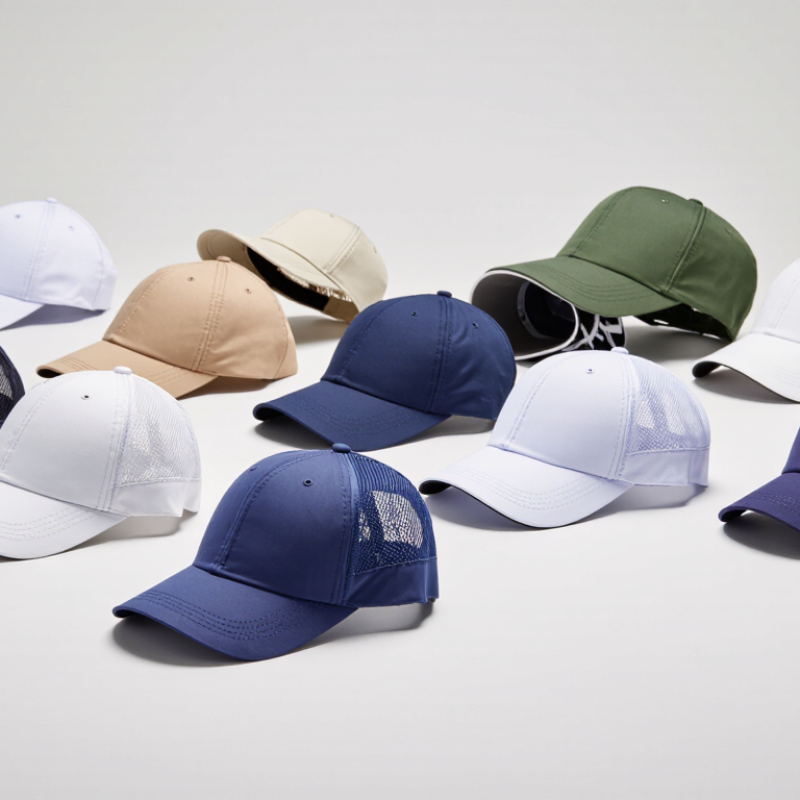
A golf hat suitable for global buyers must perform across changing climates, not just look polished on the course. In hot, humid regions, lightweight polyester or nylon with moisture-wicking panels can reduce sweat buildup. In cooler areas, a denser fabric may offer better comfort. Breathability still matters.
A practical hat should provide tested ultraviolet protection, preferably with a clearly stated UPF rating. A firm brim helps shield the eyes, while a low-profile crown avoids pressure during long rounds. An adjustable closure supports different head sizes and makes online purchasing less risky. Wide sizing options are even better. Small details matter.
Field experience shows that packability is valuable for international travelers. A hat that survives luggage storage without losing its shape has a real advantage. Quick-drying fabric also helps after unexpected rain. However, no design solves every problem. A very soft brim may pack easily but lose structure, while a rigid brim can feel awkward in strong wind. Buyers should check care instructions, measurement charts, material composition, and testing information before ordering. These details are easy to ignore. They should not be. Seasonal differences, local humidity, and personal fit preferences can change the best choice.
The crown should sit securely above your ears without pressing your temples. Measure around your head, one centimeter above your eyebrows and ears. Use centimeters when comparing international size charts. The fit should feel stable, not tight. Try bending forward before buying.
Choose lightweight fabric, breathable panels, and a moisture-managing sweatband. Small mesh sections can release heat around the crown. Quick-drying material helps after washing or heavy sweating. Airflow matters. Some fabric feels cool initially but becomes heavy when wet.
A brim near seven centimeters can shade your eyes and ears effectively. It should not block peripheral vision during setup. A firm brim usually keeps its shape better. Check the brim while wearing sunglasses. Small obstructions can become annoying after several hours.
Quick-drying fabric helps in wet climates. A brim can direct light rain away from your face. Water resistance does not guarantee full rain protection. Windy courses require a secure adjustable closure. Test the hat with a gentle head movement.
Dark fabric may absorb more heat under strong sunlight. Light colors can feel cooler, but they may show grass stains quickly. Personal comfort varies between golfers. I would not choose color alone. Climate deserves more attention.
Look for a tested ultraviolet protection rating rather than vague protection claims. A medium-width, firm brim covers the eyes and ears. Coverage should not reduce your peripheral vision. Check the rating and fabric details carefully. Marketing language can be incomplete.
Hand wash it with mild soap when possible. Reshape the brim while the hat dries. Avoid high heat, washing machines, and damp storage inside a golf bag. Let it dry fully after every humid round. I once rinsed one too aggressively, and the front panel lost its shape.
Review shipping fees, return rules, import charges, and delivery estimates. A low listed price may increase after currency conversion and handling costs. Compare reviews from golfers in similar climates. Sizing feedback can still be inconsistent. Check every detail.
Choosing the Best Golf Hats for global buyers means balancing comfort, sun protection, breathability, durability, and versatile style. A suitable golf hat should perform well across different climates, from hot and humid courses to cool, windy environments. Key design features include lightweight materials, moisture control, a secure but comfortable fit, a practical brim, and construction that maintains its shape during regular use. This guide compares popular golf hat styles, including caps, visors, bucket hats, and weather-ready designs, helping players match their choice to playing conditions and personal preferences.
International customers should consider climate, head size, adjustable features, packing convenience, and care requirements before purchasing. Breathable options are ideal for warm weather, while fuller coverage and water-resistant materials can provide extra comfort in changing conditions. Checking accurate sizing information, fabric details, washing instructions, and delivery policies can also improve the buying experience. With the right combination of fit, function, and style, golfers can find dependable headwear for comfortable performance on courses around the world.